
The Silver Baby Cup
“Silver baby cups survived centuries not because they were practical, but because no one could bring themselves to get rid of them.” - Born & Raised Studio
The Silver Baby Cup
Childhood traditions, keepsakes, and why it still belongs in heirloom portraits
If you grew up in the South, this probably won’t sound strange.
A baby is born and, alongside the blankets and monogrammed things, there’s silver.
A silver rattle.
A small cup.
Maybe a baby bangle, a locket, or a pin.
It wasn’t introduced as “an heirloom.”
It was just part of childhood.
It wasn’t until I started traveling outside the South that I realized how regional this tradition still is. In many places, silver baby items feel antique or unusual. Here in Alabama, they’re still very much a part of childhood traditions.
That difference matters. And it explains why these objects still feel so natural in children’s portraits today.


The early history of the silver baby cup
Silver baby cups first appeared in England in the early 1600s. At that point, they weren’t sentimental keepsakes. They were practical.
Silver was believed to be cleaner and safer than other materials. People noticed that liquids stored in silver spoiled less quickly and that silver vessels were associated with better health. Long before modern science explained why, families trusted silver for children.
These early silver baby cups were simple:
One handle
Very little decoration
Made to be used
They were commonly given at baptisms or christenings, marking a child’s formal welcome into family and faith.
When silver became symbolic in childhood traditions
By the late 1600s and into the 1700s, silver objects began to take on more meaning.
Silversmiths like Paul de Lamerie (1688–1751) in England and John Coney (1655–1722) in colonial Boston were creating refined domestic silver for families who expected objects to last generations.
The silver baby cup shifted from everyday use to something more intentional.
It began to symbolize:
Family stability
Purity and wellness
Hope of prosperity for the child
Many cups were left unengraved at first and personalized later. That detail is important. These were not rushed objects. They were meant to grow alongside the child.
The Victorian era and the rise of keepsakes
The 19th century marked a turning point in childhood history.
Victorian culture placed new emphasis on memory and sentiment. Childhood became something to preserve, not just pass through.
Silver baby cups from this era often included:
Engraved names and dates
Decorative handles
Floral or repoussé details
This is when the cup stopped being something you used and became something you kept.
This shift mirrors what we now think of as keepsakes.
Silver baby cups in American childhood
By the early 1900s, silver baby cups were widely given across the United States. Companies like Tiffany & Co., Gorham, and Reed & Barton produced them in large numbers.
They were:
Common gifts from grandparents and godparents
Often monogrammed
Stored carefully after infancy
They became a standard way to mark the beginning of childhood.
And then, quietly, they became less common.


Why silver baby cups never disappeared
By the mid-20th century, childhood shifted toward convenience. Plastic replaced silver. Practical baby gifts replaced symbolic ones.
But silver baby cups didn’t vanish.
They went into drawers.
That’s the detail that always matters to me. Even when families weren’t sure what to do with them, they didn’t throw them away. Something about them still felt important.
That instinct, knowing an object belongs to a child’s story, is the same instinct behind heirloom portraits.
Silver objects and children’s portraits
Historically, children were often photographed or painted with meaningful objects.
In late 19th- and early 20th-century these items began to appear in children’s portraiture:
Cups
Rattles
Spoons
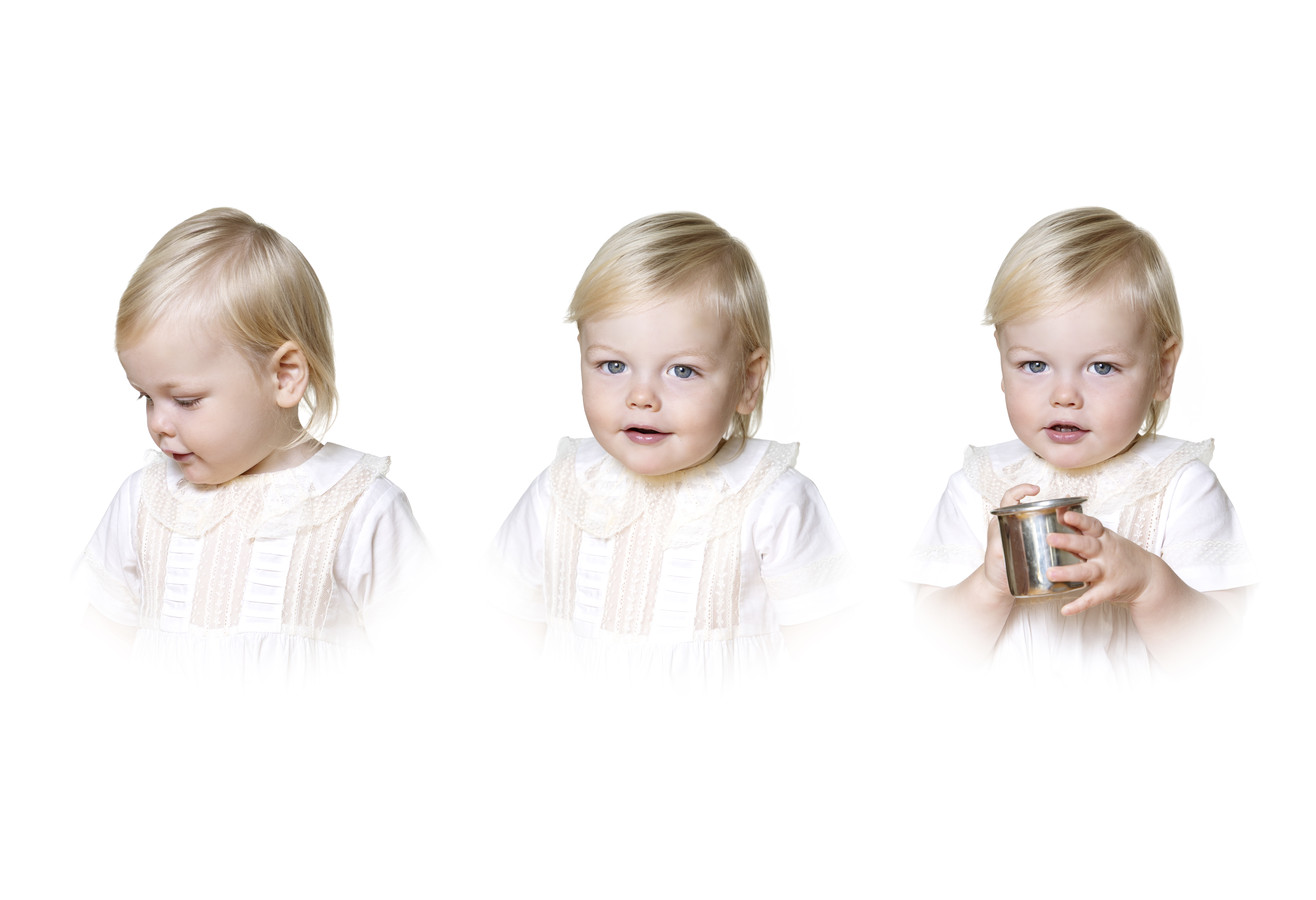
That’s why I always keep a silver rattle in my bag.
It’s the only toy that belongs naturally in a portrait.
It doesn’t distract.
It doesn’t date the image.
It gives a child something to hold while keeping the portrait grounded and timeless.
When you don’t have an heirloom outfit
Not every family has a christening gown or heirloom clothing. That’s more common than people realize.
A silver rattle or baby cup offers another option.
It gives intention without costume.
It gives the portrait structure.
And it becomes a keepsake directly tied to the session.
Why this still matters in heirloom portraits today
I don’t include silver in sessions because it’s nostalgic or decorative.
Silver has always marked childhood as something worth slowing down for. In the South, that tradition never fully disappeared. Elsewhere, it faded.
Heirloom portraits are one way it’s finding its way back.
A silver baby cup.
A silver rattle.
A finished portrait on the wall.
They all come from an understanding that childhood deserves to be marked.
Sometimes families bring heirlooms with them.
Sometimes they leave with one.
-Anna Claire Collier
Founder, Born & Raised Studio

